
Quiet Luxury, Layer by Layer
Today we explore material palettes for understated high-end interiors, translating quiet luxury into tactile choices that age gracefully and feel effortless. Expect nuanced neutrals, grounded stones, calm woods, gentle metals, and soft textiles curated to whisper sophistication while supporting daily life. We will share lessons from real projects, helpful combinations, and subtle contrasts that make spaces serene yet memorable. Join the conversation, ask questions, and share your favorite pairings so we can refine this art together.
Principles That Let Materials Speak
The most refined rooms rely on restraint, clarity, and intentionality. Materials take center stage when color steps back, form is simplified, and craftsmanship is honored. We will consider proportion, continuity, tactility, and the subtle dance between matte and sheen. Thoughtful editing reveals quiet complexity while avoiding spectacle. If you are building a palette from scratch, start with what must feel calm first, then layer complementary textures that create depth without noise. Share your baseline principles and challenges below.

Stone That Grounds the Room
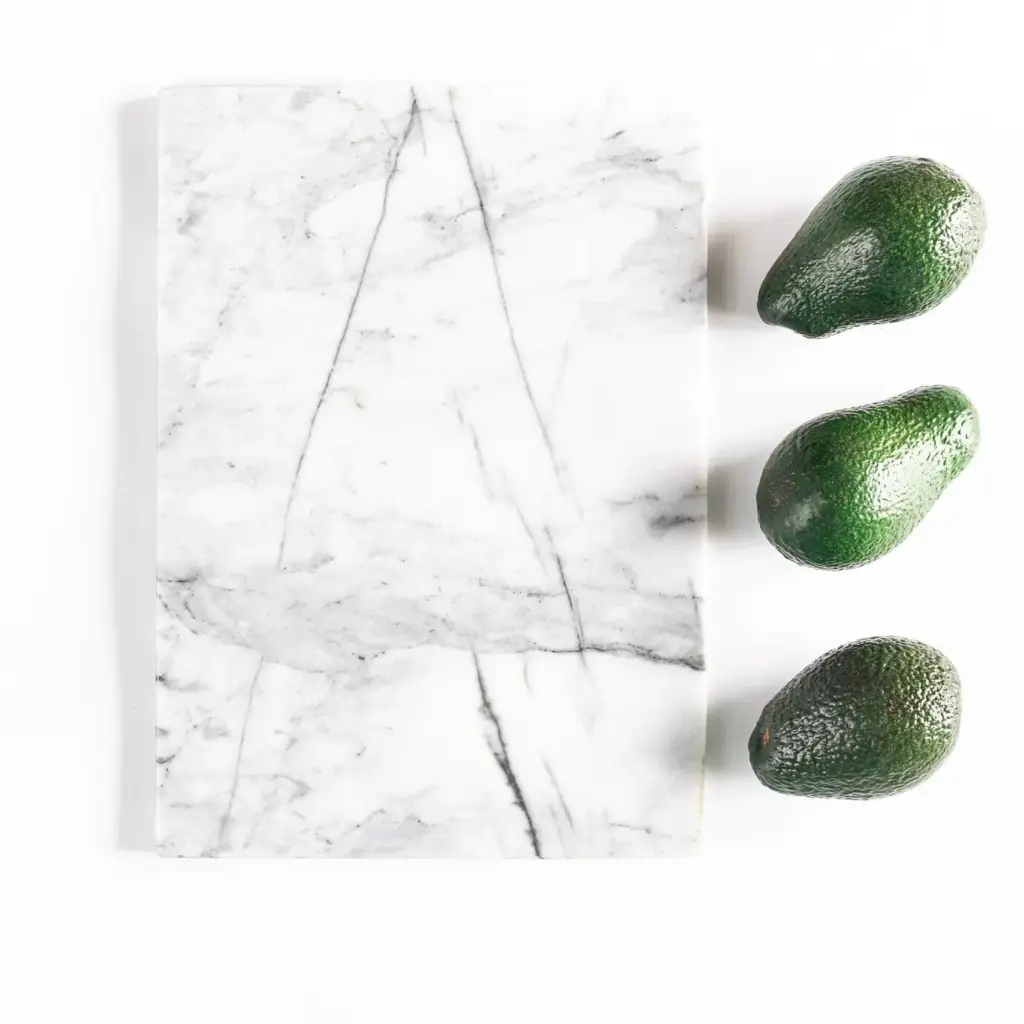
Stone introduces permanence and quiet gravitas. Honed finishes read velvety, leathered surfaces soften reflection, and subtle veining offers gentle movement instead of noise. Scale matters: large formats minimize grout lines, while finely profiled edges signal craft. Consider maintenance honestly; patina can be a feature, not a flaw. Select cousins within the same family to avoid discord. From limestone floors to marble vanities, cohesion brings peace. Tell us how you balance beauty, care, and budget when choosing stone.
Woods With Calm Character
Wood brings warmth and human scale. Species, cut, and finish radically change presence: rift white oak offers linear quiet, quarter-sawn walnut adds depth, and ash accepts stain beautifully. Oil finishes highlight grain while remaining low-sheen; hardwax oils add durability without plastic gloss. Keep stains desaturated to preserve nuance. Align cabinetry grains, use reveals intentionally, and let joinery speak without fuss. Sustainable sourcing matters; certification supports longevity. Share which species feel most versatile in your palette experiments.
Metals With a Gentle Gleam
Metal accents should glow softly, not glitter. Brushed stainless, burnished bronze, and unlacquered brass introduce subtle reflectivity that complements stone and wood. Keep finishes consistent within zones, and let hardware, trims, and lighting coordinate without perfect matching. Patina is a living finish; allow it to evolve. Use metal to frame joins, edge shelves, or ground furniture bases. Thoughtful restraint keeps shine from stealing serenity. Tell us which metal combination has delivered balance rather than bravado in your spaces.
Textiles That Soften Without Shouting
Fabric layers quiet a room’s acoustics and invite comfort. Linen, wool, mohair, and cotton blends bring breathability and tactility; silk should appear sparingly for glow. Choose weaves with character over bold prints. Performance finishes can coexist with natural fibers if selected carefully. Keep palettes desaturated and undertones consistent. Tailoring matters: generous hems, interlining, and thoughtful seam placement elevate everything. Rotate throws seasonally and maintain with gentle care. Tell us your most hardworking, elegant fabric combination and why.
Upholstery Weaves With Substance
A textured bouclé, heathered wool, or basketweave reads luxurious without being fragile. Prioritize rub counts, pilling resistance, and cleanability. Mix one statement texture with two calmer companions for balance. Neutrals with complex yarns feel richer than flat solids. Consider seat comfort against skin and climate. Make slipcovers where appropriate to extend life. Share which upholstery fabric has survived daily use while maintaining a soft, elevated presence, and how you pair it with timber tones and stone surfaces.
Window Treatments That Tune the Light
Sheer linens soften glare and preserve views, while lined drapery ensures privacy and insulation at night. Roman shades in textured weaves add gentle structure without heaviness. Mount higher and wider to elongate walls and avoid visual clutter. Keep hardware slender, finishes aligned with room metals, and folds generous. Measure carefully; precision is everything. Experiment with double sheers in layered tones. Tell us whether curtains or shades have worked better for your rooms, and why you chose that path.
Rugs Underfoot, Calm Overhead
Rugs anchor vignettes and absorb noise. Choose Tibetan wool for resilience and hand-feel, flatweaves for simplicity, or jute-wool blends for organic warmth. Keep patterns quiet and scale generous so furniture breathes. Test color against daylight and evening lighting. Use rug pads for comfort and longevity. Consider tone-on-tone borders for definition without shouting. Rotate seasonally and spot-clean promptly. What rug fiber and construction have best supported your understated palette while standing up to the realities of daily living?
Details, Proportions, and Seamless Transitions
Understated high-end interiors depend on precise edges, aligned axes, and graceful shifts between materials. Shadow gaps, slim baseboards, and clean thresholds let spaces flow without visual interruption. Consider door heights, sightlines, and ceiling planes as part of the palette. Keep reveals consistent, avoid fussy trims, and let materials meet with confidence. Mock up, photograph, and review at full scale. Invite feedback from installers early. Tell us which small detail most transformed the calm and coherence of your space.
Baseboards, Casings, and Quiet Lines
Minimal profiles create calm, but they still require rigor. A flush base with a shadow reveal keeps walls crisp while protecting edges. Door casings can be thinned or expressed as clean returns. Repeat dimensions across rooms for rhythm. Paint sheens should step subtly from walls to trim. Coordinate with flooring expansion needs to avoid cracks. Share a photo or drawing of the most successful base or casing profile you’ve implemented, and what you would refine next time.
Hardware Alignment and Visual Rhythm
Handles, hooks, outlets, and switches contribute to order when they align across planes. Map centers and heights before rough-in. Group controls logically and keep faceplates in low-sheen finishes. In millwork, maintain consistent handle spacing and backset depths. A tidy rhythm reduces noise and supports serenity. Print elevations and mark corrections during walkthroughs. What alignment trick—laser levels, story poles, or templates—has saved you from small inconsistencies that become big distractions in calm, materially driven rooms?
Floor, Stone, and Tile Thresholds
Where materials meet, restraint matters. Use metal schluters sparingly, favoring stone saddles or crisp shadow lines. Keep grout colors close to the tile body, and plan full tiles at sightlines. Align plank directions to guide flow naturally. Consider radiant heat and expansion with each choice. Photograph mockups under warm and cool light. Tell us your go-to threshold solution when two beautiful materials must touch without visual competition, and how you decide which one should lead the eye.